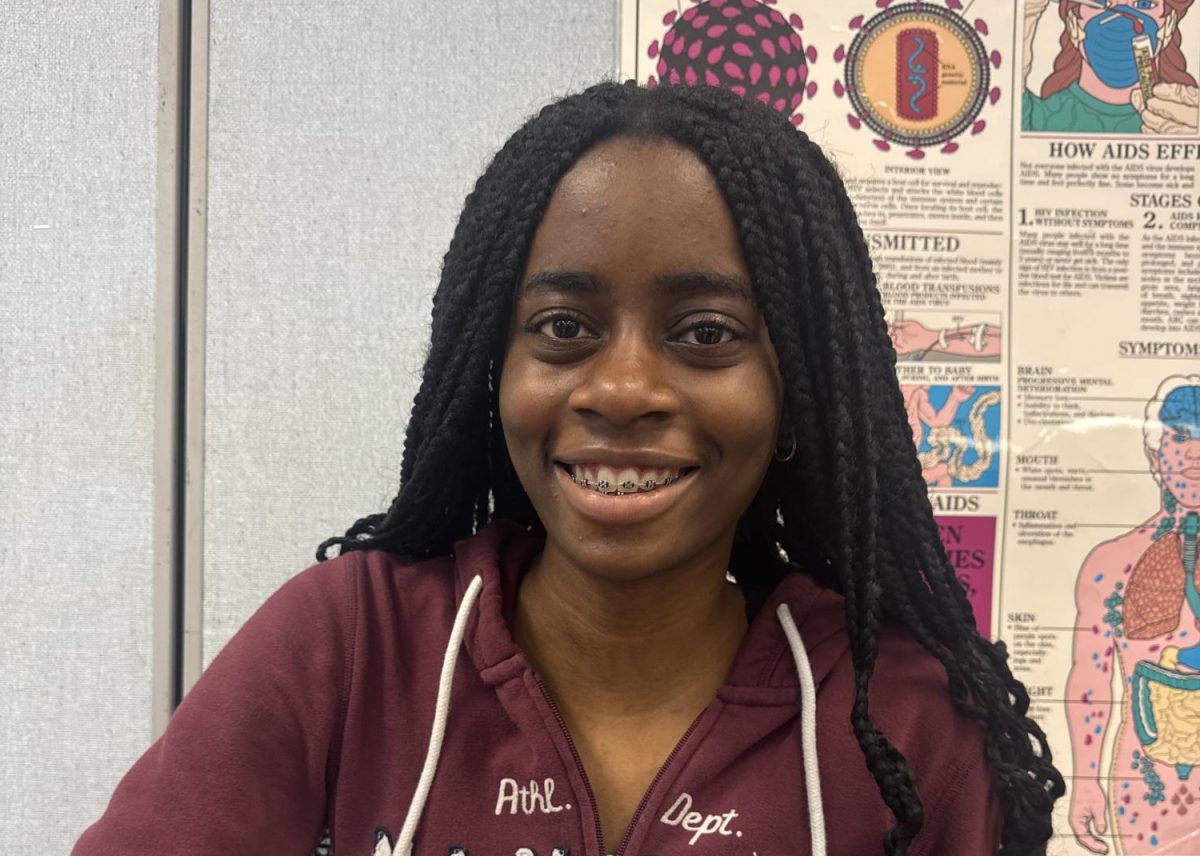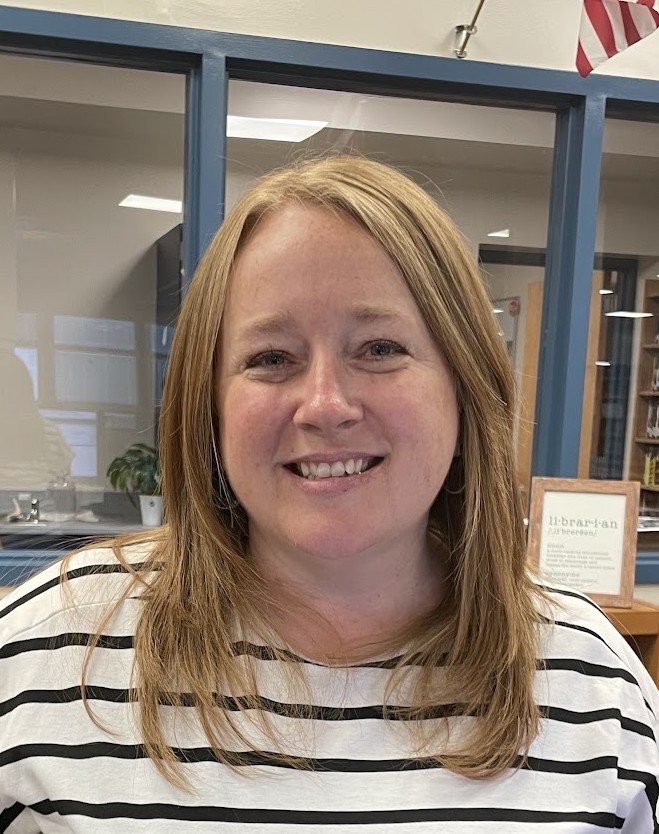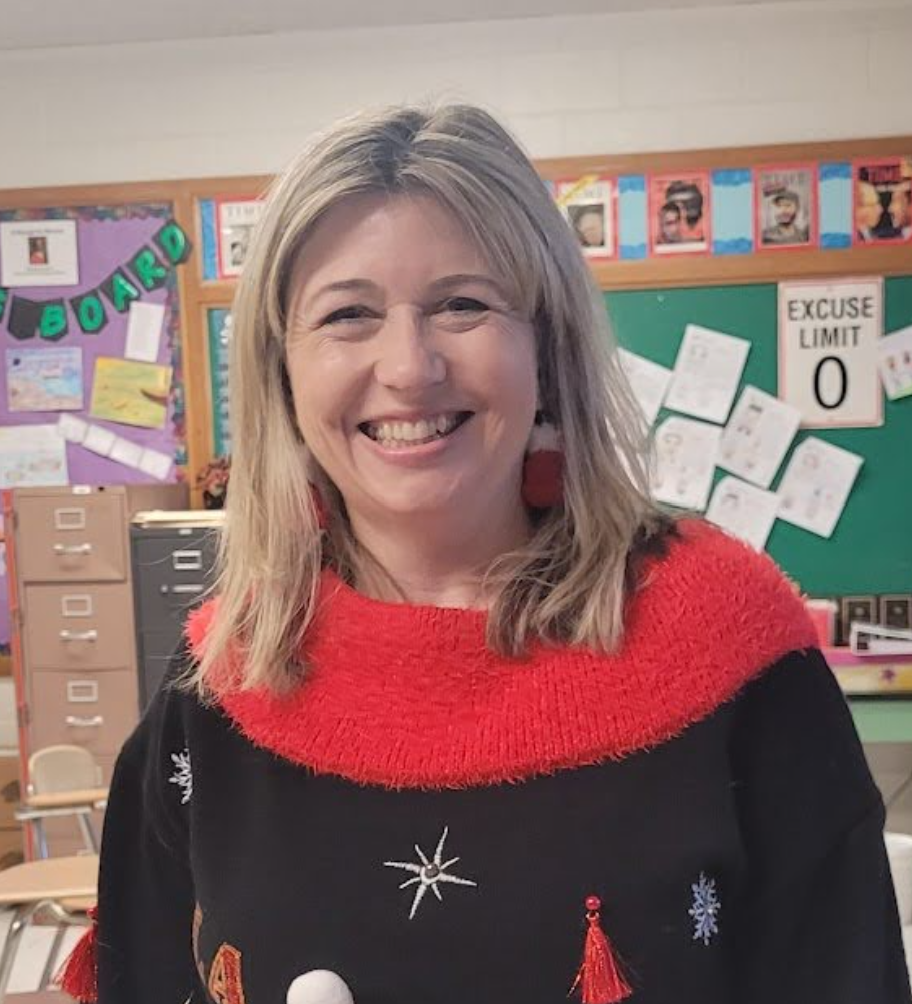

I got the amazing opportunity to interview one of our great teachers at Winslow Township High School. Mrs. Tagmire teaches Environmental Science and Biology and she is the one of the advisors, alongside Mrs. Mack, for the Environmental Club! I am glad I got the chance to interview this awesome teacher, Mrs. Tagmire!
Q: Why is the environment so important to you?
A: The environment is so important to me because it provides me with all the resources I need to live. We often forget that water, food, and clean air that we need to survive is provided by the environment and the only way to continue to have these necessities is to take care of our environment.
Q: Who is your favorite environmentalist and why?
A: I don’t have one specific environmentalist as my favorite. Anyone who is willing to put our environment as a priority in their lives is someone I admire and respect. This includes my students who have shown over the years to truly care about helping to heal our Earth.
Q: What are some future activities you want to do for our environmental club?
A: This year we are starting a gardening project, a paper recycling program, and an upcycling craft group. I would also like to push for more students in our school to start using reusable water bottles, be more conscious of food waste and try to waste less paper. I am hoping to create some more activity groups and events to make this happen.
Q: What made you want to help the environment?
A: As a lover of biology, I love living things. I am passionate about animals and want a better world for them to live in. I know if I do my part by lowering my ecological footprint, I can make a better world for all living things.
Q: What is your favorite plant and why?
A: My favorite plant is actually quite a simple plant that most people think are weeds: Clover! Clover plants are amazing. They make great cover crops, help to fix nitrogen in the soil so we can get the nutrients we need and if you are lucky……sometimes they have 4 leaves 🙂
Q: What made you want to choose your career as a biology and environmental science teacher?
A: I always wanted to be a biology teacher. I like working with others and enjoy helping my students understand how living things work. I wanted to teach environmental science once I knew just how important this subject was to ensure a better future for everyone. The more people understand the environment, the more hope there is for a better future.
Q: What are some ways you help the environment and reduce waste?
A: I am always thinking about ways I can be better for the environment. The one thing I know I do is educate others about the environment to spread awareness. At home, I make sure to recycle, try to reuse items as often as possible and don’t buy things like food that I know may go to waste.
Q: What are some of the harmful things humans are doing to the environment?
A: There are so many things we are doing. Many of them are out of our control, but there are things we can do to help stop the damage. For example, we are buying way too many things. Stores keep putting out items and we keep on buying. I am guilty of this myself. I think we need to step back as a society and try to slow down consumerism. We should focus more on high quality long lasting items and stop buying cheap items that are not meant to last.
Q: What are your long term goals for the environmental club?
A: I just want to see the club make a difference in our school and our community. I would like everyone to know about the things we can do for our environment. If club members learn how to take care of our Earth and they tell someone who is not in the club and so forth and so on….the word spreads and hopefully people start to take action and care about our planet.
Q: What in your opinion is the best season to grow things?
A: In NJ, I would say the spring. It really depends on what you want to grow. All plants have different abiotic factors that make them special in where and what time of year they would grow. But more importantly, I think people should be more aware of what plants are native to their area. When we try to grow things that do not belong here, they may require more water and nutrients than our soil can provide. This is a waste of resources.